Peptide Top Quality: Significance Of Third-party Recognition
l
@lorenzodxut873
October 12, 2026 · 3 min read
Peptide And Peptoid Synthesis Core Researchers frequently reference Janoshik screening when evaluating new suppliers or confirming claims. COAs from Janoshik consist of QR codes for on-line verification, permitting you to check and validate results versus the lab's data source. This verification attribute significantly raises count on the documents. Janoshik has established itself as a recognized name in independent peptide testing, typically described as the "gold criterion" within the study community. Questions like how long peptides last come to be appropriate after verification. Standard turnaround is commonly 5-7 business days from sample receipt. Rush handling can minimize this to 2-3 days at extra price. Plan study timelines to accommodate testing hold-ups, especially for time-sensitive applications. A pureness percentage without a chromatogram is clinically insufficient. The chromatogram offers visual verification of the claimed pureness.
- Comprehending their toughness, restrictions, and online reputations helps you pick suitable verification resources.
- As long as you obtain peptides from a trusted source that supplies a complete certificate of analysis, you can be positive in the peptide's pureness grade and use scope.
- The study value of any type of peptide substance depends straight on what is actually in the vial.
- Amino acid evaluation or other measurable approaches can support outright material.
- Rush processing can decrease this to 2-3 days at added price.
Why Is There No Set Number On My Vial?
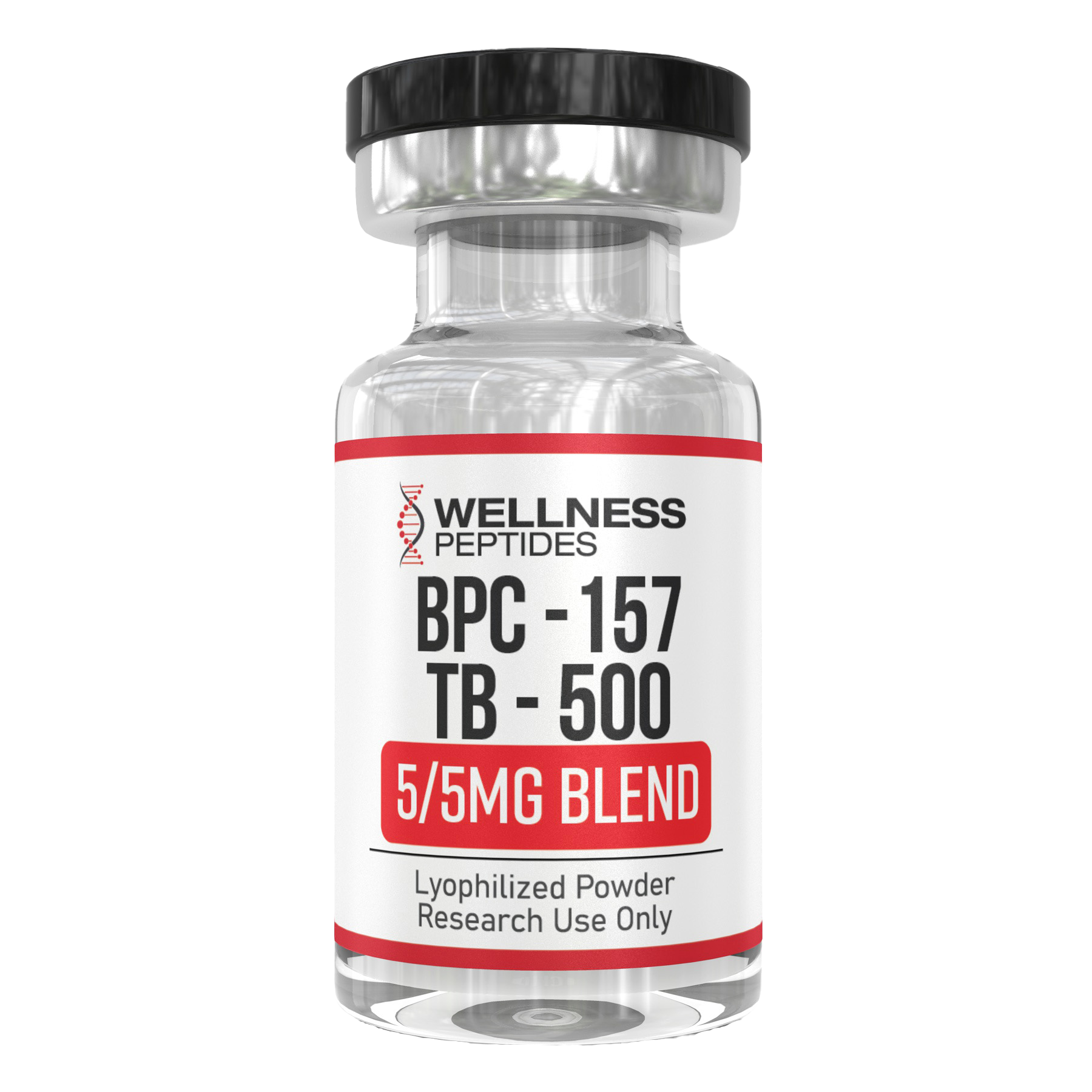
This amazing source enables scientists to verify products without expense, though delivery expenditures and example CJC-1295 DAC preparation remain your responsibility. For scientists collaborating with details compounds like BPC-157 or TB-500, mass spectrometry verification ensures you're collaborating with the real compound as opposed to another thing entirely. This strategy separates peptide mixes and measures the relative quantities of different components. When a COA mentions "99% purity by HPLC," this means the analysis revealed 99% of the detected material was the target peptide, with only 1% being impurities. These files apparently verify pureness, identity, and other quality metrics. In numerous Click for info labs, HPLC results are also confirmed with one more examination that examines the peptide's specific molecular weight, including an extra layer of verification. If the COA details "overall contaminations", that complements the pureness number (e.g., 98% pureness indicates 2% complete impurities). Lots of COAs also define known or "defined contaminations" versus undefined ones, each with their private percentages if above a certain threshold. This level of information aids scientists understand if any type of minor peptide spin-offs are present. Trustworthy peptide sourcing options for facility proprietors who focus on security, top quality, and regular client end results. Discover suppliers that provide compliant, high-purity items backed by transparent testing and documentation.Is 95% pureness great for peptides?
Peptides with an 85% purity level or greater are generally used in enzyme assays or biological task research studies. Peptides with purity above 95% are excellent for measurable evaluation.
Net Peptide Material-- The "Absent Mass"
Researchers normally assess purity along with other high quality metrics as opposed to counting entirely on a single portion. If required, we will certainly supply you with a reliable one-stop services. Techniques differ by sequence, length, modifications (labels, linkers, non‑natural AAs), and intended usage. Panel structure and deliverables are specified by peptide type, modifications, planned use, and your specifications. A deletion peptide missing a solitary deposit might still bind to the same receptor, yet with various fondness or selectivity. Oxidized versions may behave as partial agonists or villains.Require Paperwork Prior To Getting?
Peptide screening is logical confirmation of a peptide example. In COA evaluation, it usually consists of HPLC pureness testing, mass spectrometry identification verification, and batch-specific documentation showing the checked whole lot, method, results, and date. With years of logical testing experience and progressed instrument platforms, BOC Sciences supplies detailed peptide quality screening solutions across the whole procedure from resources to formulations. Third-party lab validation can significantly aid in this compliance procedure. The resulting data are formatted into reports that regulatory authorities expect. Chromate offers analytical testing with verifiable online results. QR codes on their COAs link to verification web pages where researchers can verify file credibility. The lab's reputation originates from regular, trustworthy results and independence from any vendor.